


-

Add: HeBei ShengShi HongBang Cellulose Technology CO.,LTD.
-

Email
13180486930@163.com -

CONTACT US
+86 13180486930
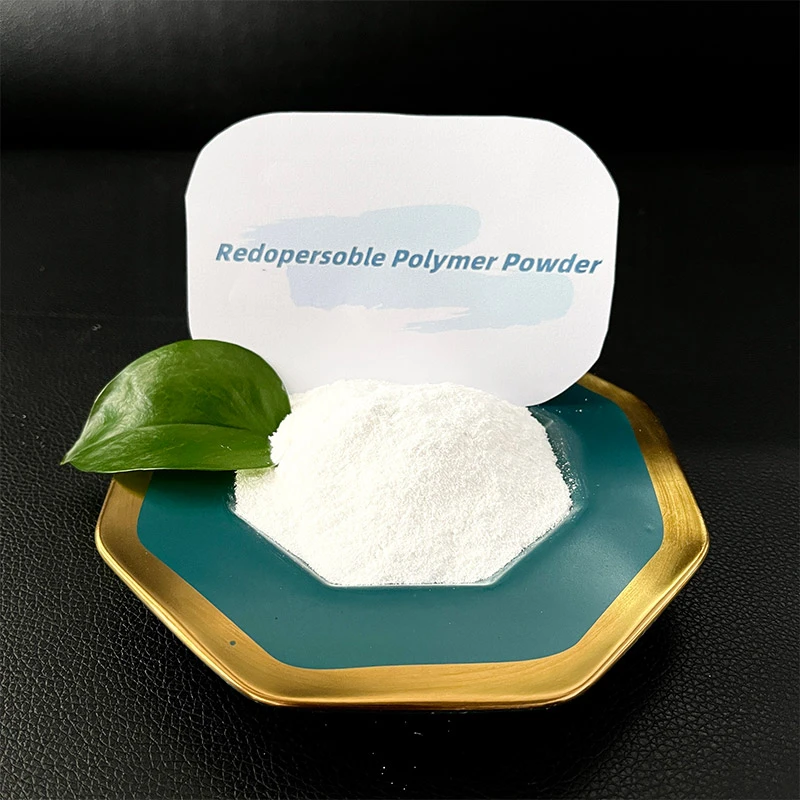


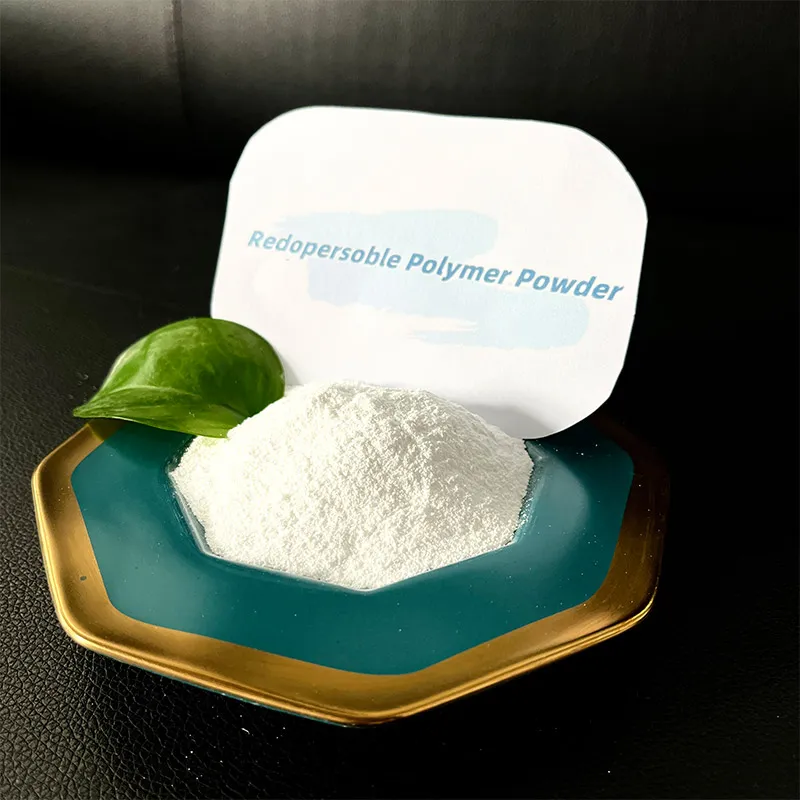



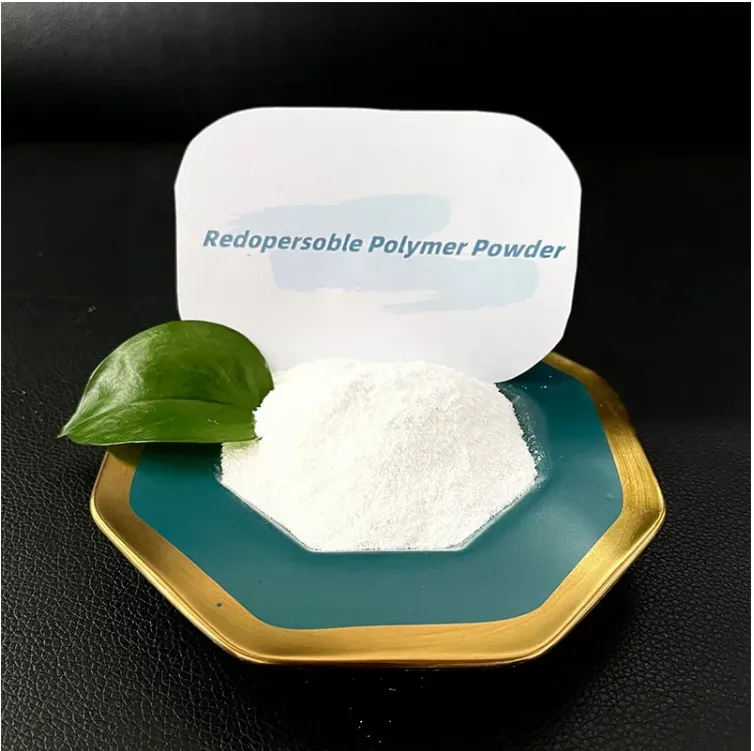
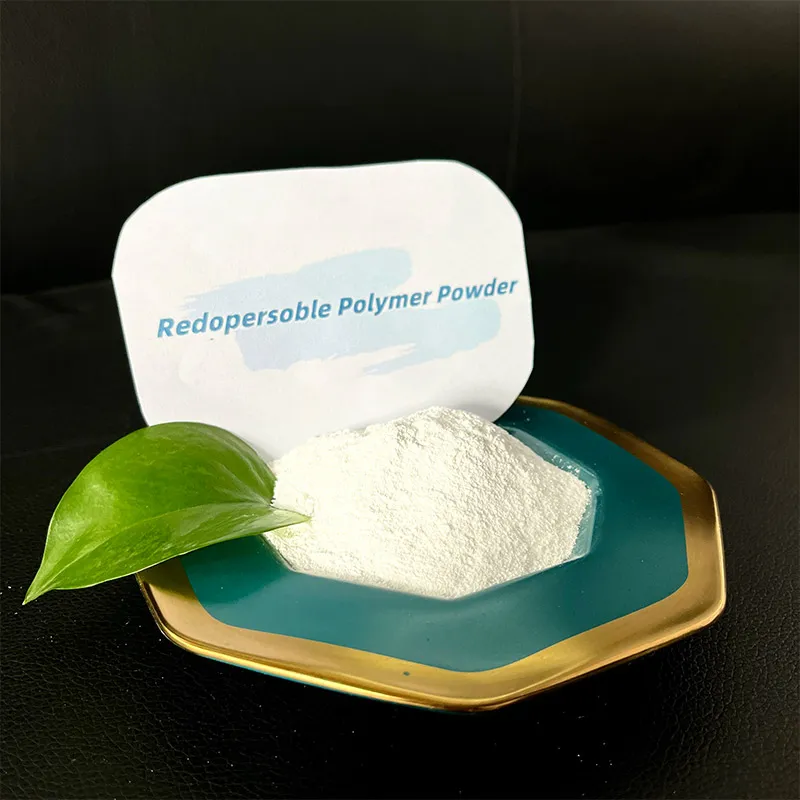
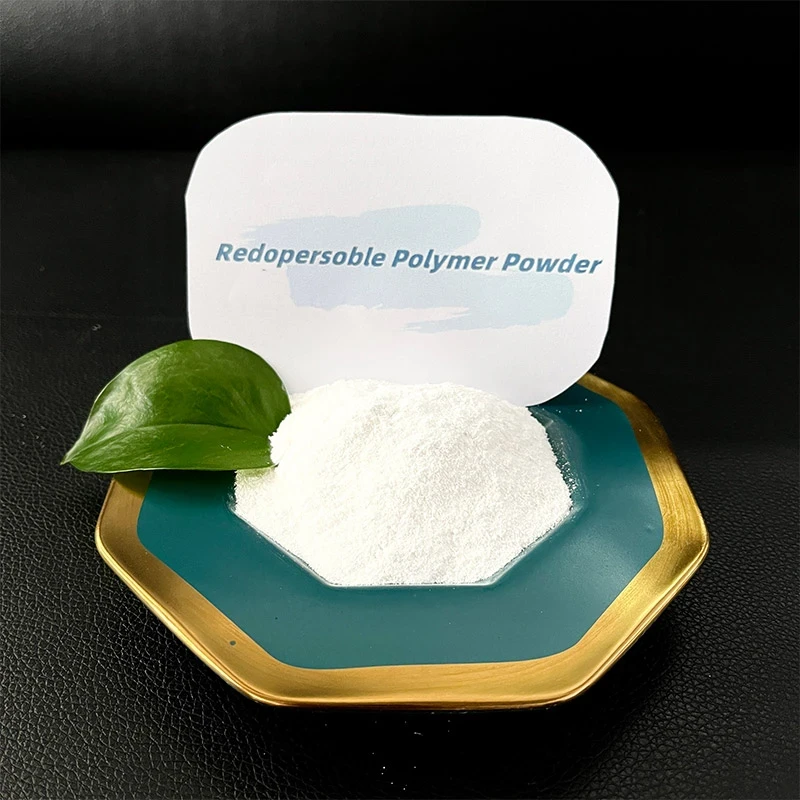
redispersible emulsion powder,redispersible latex powder,polymer powder,vae redispersible powder,redispersible powder is a key solution in the chemical industry industry, specifically within fine chemicals and Building Chemicals. This article explores how HeBei ShengShi HongBang Cellulose Technology CO.,LTD. supports professionals with durable, high-performance products, and explains why this product is an ideal choice for businesses in these sectors. Table of Contents redispersible emulsion powder,redispersible latex powder,polymer powder,vae redispersible powder,redispersible powder Overview Benefits & Use Cases of redispersible emulsion powder,redispersible latex powder,polymer powder,vae redispersible powder,redispersible powder in Building Chemicals Cost, Maintenance & User Experience Sustainability & Market Trends in chemical industry Conclusion on redispersible emulsion powder,redispersible latex powder,polymer powder,vae redispersible powder,redispersible powder from HeBei ShengShi HongBang Cellulose Technology CO.,LTD. redispersible emulsion powder,redispersible latex powder,polymer powder,vae redispersible powder,redispersible powder Overview Redispersible emulsion powder (often VAE redispersible powder) is a free-flowing polymer powder produced by spray-drying a waterborne emulsion and stabilizing it with a protective colloid. Upon contact with water, the redispersible latex powder forms a stable polymer dispersion that acts as a binder, improving adhesion, flexibility, and durability in cement- and gypsum-based systems. Typical building-chemicals grades are based on vinyl acetate–ethylene (VAE), with protective colloids such as PVA to ensure excellent redispersibility, workability, and storage stability. For formulators, this polymer powder enables targeted performance tuning—such as lowering minimum film formation temperature, enhancing tensile adhesion, improving deformability, and boosting abrasion resistance. Representative specifications include controlled particle size distribution, consistent bulk density, and optimized glass transition temperature (Tg) to balance flexibility and strength; specific values vary by grade and application and are provided on technical data sheets. HeBei ShengShi HongBang Cellulose Technology CO.,LTD. manufactures reliable VAE redispersible powder with tight quality control, multiple grades tailored to tile adhesives, skim coats, self-leveling underlayments, EIFS/ETICS systems, repair mortars, and waterproofing mortars—supporting consistent results from lab to large-scale production. Benefits & Use Cases of redispersible emulsion powder,redispersible latex powder,polymer powder,vae redispersible powder,redispersible powder in Building Chemicals In Building Chemicals, redispersible emulsion powder delivers measurable gains across many formulations. In tile adhesives, it improves wet and dry adhesion to challenging substrates, increases open time, and helps achieve slip resistance—facilitating upgrades from basic to higher performance classes. In EIFS/ETICS, VAE redispersible powder enhances flexibility and impact resistance of basecoats, helping systems tolerate thermal cycling. For skim coats and wall putties, polymer powder optimizes workability, reduces cracking, and improves surface quality. In self-leveling compounds, it strengthens cohesion, reduces dusting, and improves abrasion resistance without sacrificing flow. Cementitious waterproofing mortars benefit from reduced water permeability and improved crack-bridging. Key advantages versus alternatives include easy handling and dosing, excellent compatibility with cellulose ethers (such as HPMC), robust redispersibility, and proven performance in cement/gypsum matrices. HeBei ShengShi HongBang Cellulose Technology CO.,LTD. combines polymer know-how with application expertise, providing formulation guidance, rapid sampling, and consistent supply. Whether you need a flexible redispersible powder for deformable tile adhesives or a higher-Tg grade for abrasion resistance, our portfolio and technical service help B2B decision makers speed time-to-market and secure repeatable, specification-compliant outcomes. Cost, Maintenance & User Experience Total cost of ownership matters in competitive building chemicals markets. While unit cost of redispersible latex powder is higher than mineral fillers, the ROI comes from enhanced performance (better adhesion, crack resistance, cohesion), fewer jobsite callbacks, and upgraded product classifications that command price premiums. Improved workability and consistency also reduce production waste and simplify quality control. Many customers report smoother scale-up due to stable redispersibility and low dusting options that improve plant hygiene and dosing accuracy. From a maintenance perspective, polymer powder requires standard good practices: store sealed in a cool, dry area away from moisture; use on a first-in, first-out basis; and protect from caking. In finished products, the durability of VAE redispersible powder translates to longer service life for mortars and coatings, supporting life-cycle value. HeBei ShengShi HongBang Cellulose Technology CO.,LTD. offers grade selection support to optimize dosage—often in the 1–5% range depending on system—balancing performance and cost, and providing dependable logistics so your production schedules remain on track. Sustainability & Market Trends in chemical industry Sustainability is reshaping the chemical industry—especially in Building Chemicals, where low-VOC formulations, resource efficiency, and circularity are rising priorities. Redispersible powder helps by shipping the polymer “dry,” minimizing transport of water and reducing associated emissions. In many formulations, VAE-based polymer powder supports low-VOC targets and can help manufacturers design for compliance with evolving regional regulations. The shift toward energy-efficient buildings, renovation of aging infrastructure, and growth of EIFS/ETICS for thermal insulation are expanding the market for high-performance polymer binders. HeBei ShengShi HongBang Cellulose Technology CO.,LTD. invests in responsible production, quality systems, and continuous improvement to deliver consistent, high-performing redispersible emulsion powder solutions. By aligning portfolio development with standards and emerging regulatory expectations, and by supporting customers with clear documentation and technical data, we help B2B partners reduce risk, build greener products, and capture growth in premium segments. Our forward-looking approach ensures that both performance and sustainability requirements are met without compromise. Conclusion on redispersible emulsion powder,redispersible latex powder,polymer powder,vae redispersible powder,redispersible powder from HeBei ShengShi HongBang Cellulose Technology CO.,LTD. From tile adhesives and EIFS to self-leveling and waterproofing mortars, redispersible emulsion powder empowers Building Chemicals producers to achieve reliable adhesion, flexibility, and durability. HeBei ShengShi HongBang Cellulose Technology CO.,LTD. supplies high-quality VAE redispersible powder backed by application expertise and dependable service—helping B2B decision makers optimize performance, cost, and sustainability. Contact us: email: 13180486930@163.com Visit our website: https://www.sshbhpmc.com
- 40000tons

Production
- 20+years

Experience
- 5000+㎡

Acreage

-
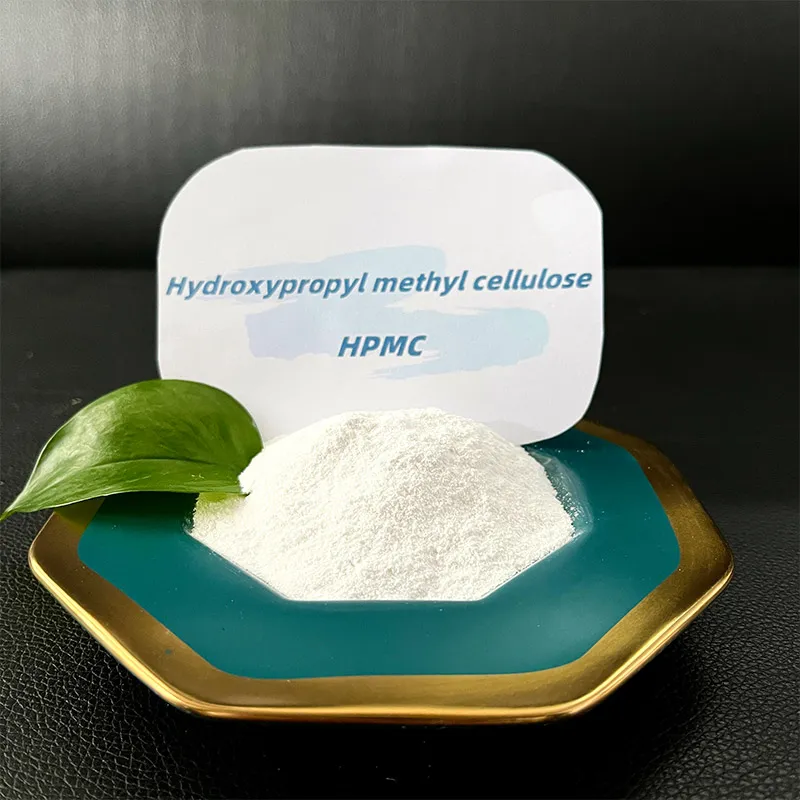
Le HPMC 606, connu sous le nom de hydroxypropylmethylcellulose, est un polymère essentiel dans nombreux secteurs industriels, allant de la construction à la pharmaceutique. Ayant travaillé pendant plus d'une décennie dans le domaine des matériaux polymères, je partage ici des expériences, des connaissances et des conseils pour optimiser l'utilisation du HPMC 606, garantissant ainsi son meilleur rendement. Dans l'industrie de la construction, le HPMC 606 est salué pour sa capacité à améliorer la consistance et la performance des mélanges. Grâce à ses propriétés thixotropiques, il agit comme un agent épaississant et rétenteur d'eau dans les mélanges à base de ciment et de plâtre. Pour maximiser son efficacité, il est crucial de choisir la bonne viscosité et le poids moléculaire adapté aux besoins spécifiques du projet de construction. Une mauvaise sélection peut entraîner des temps de prise prolongés ou une résistance inférieure. Mon expérience montre que les formulations doivent être ajustées en fonction des conditions climatiques pour maintenir un équilibre optimal entre mouillage et adhérence. Le secteur pharmaceutique bénéficie grandement du HPMC 606, notamment dans la fabrication de comprimés à libération prolongée. Sa capacité à former des matrices géloïdes permet une diffusion contrôlée du médicament, améliorant ainsi la biodisponibilité et garantissant une libération uniforme. Pour les entreprises qui cherchent à obtenir une autorisation de mise sur le marché, la transparence sur la pureté et la stabilité du HPMC utilisé est cruciale. Assurez-vous de tester chaque lot pour prévenir les variations qui pourraient affecter l'efficacité thérapeutique du produit fini. Hpmc 606 Dans le domaine des produits alimentaires, bien que moins conventionnel, le HPMC 606 est utilisé pour ses qualités texturantes et stabilisantes. En tant que spécialiste en science des aliments, il est fascinant de voir comment ce polymère peut être employé pour créer des textures sans gluten dans les produits de boulangerie, tout en maintenant l'élasticité et le volume, reproduisant ainsi fidèlement les qualités du blé traditionnel. Pour une adoption réussie du HPMC 606 dans vos processus industriels, il est impératif de favoriser une collaboration étroite avec les fournisseurs. Ils peuvent fournir des échantillons pour tests et offrir des conseils sur les formulations uniques. La fiabilité du fournisseur joue un rôle crucial, car la cohérence de la qualité assurera la pérennité et le succès de vos produits. En conclusion, le HPMC 606 représente un matériau polyvalent aux applications diversifiées . Pour les professionnels cherchant à améliorer l'efficacité et la qualité de leurs produits, une compréhension approfondie de ses propriétés physiques et chimiques est essentielle. Grâce à des essais rigoureux et une adoption réfléchie, le HPMC 606 peut transformer les productions industrielles, apportant innovation et durabilité. Dans un monde où la confiance et la qualité règnent sur le choix des matériaux, le succès réside dans une application informée et stratégique des ressources disponibles.
-

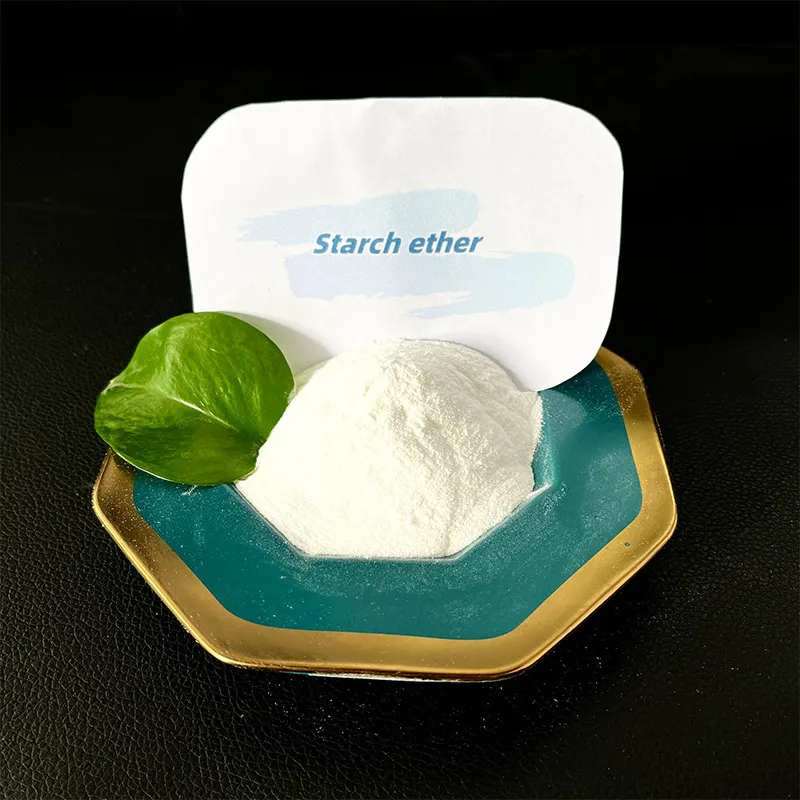
Hydroxypropyl distarch phosphate (HDP) is an essential modified starch used across a variety of industries , from food production to pharmaceuticals. Its unique properties make it a preferable choice for manufacturers looking to improve the texture, stability, and shelf-life of their products. This article delves into the multifaceted benefits and applications of HDP, drawing on the expertise of industry professionals and real-world experiences to provide a comprehensive understanding. At its core, hydroxypropyl distarch phosphate is a chemically modified starch made by introducing hydroxypropyl groups into the starch molecule. This modification grants the starch increased stability against heat, acid, and shear, making it invaluable especially in processes involving high temperatures or high shear mixing. For food scientists and manufacturers aiming to enhance the quality of processed foods, HDP offers several advantages. It significantly improves the texture and mouthfeel of culinary products. In sauces and gravies, for example, HDP functions as a thickening agent that withstands the rapid heating and cooling cycles often encountered during production or usage. The stability provided by HDP ensures that products retain their desirable consistency over time, thereby extending shelf life and maintaining consumer satisfaction. Moreover, HDP's compatibility with other ingredients is a significant boon for food formulation. It allows for seamless integration into a wide array of recipes, providing uniformity and consistency without compromising flavor or aroma. From baked goods that require moisture retention to dairy products needing a specific creamy texture, the versatility of HDP is crucial. The expertise in producing hydroxypropyl distarch phosphate extends beyond its functional benefits. Producers must adhere to stringent safety and quality standards to ensure that the modified starch is safe for consumption. Regulatory bodies such as the FDA and EFSA approve the use of HDP within specific limits, attesting to its safety when used accordingly. Expert manufacturers implement rigorous quality control processes, analyzing each batch to affirm compliance with these standards, thereby instilling trust in their product. hydroxypropyl distarch phosphate When addressing the pharmaceutical industry, HDP is especially important. It serves as a disintegrant in tablet formulations, aiding in the efficient release of active ingredients once ingested. This functionality is vital for the efficacy of many medications, where precise control over disintegration time affects overall therapeutic effectiveness. Real-world experiences emphasize the transformative power of HDP in product development. Experienced R&D teams often recount how the introduction of this starch into their formulations allowed them to overcome significant challenges, such as achieving the desired viscosity in low-temperature processing or stabilizing emulsions where traditional starches failed. Establishing trustworthiness in HDP's use involves comprehensive documentation and transparency about the sourcing, processing, and application methodologies. Industry leaders in starch modification frequently engage in partnerships with academic institutions and research organizations to remain at the forefront of innovation and application. In practice, using HDP requires understanding its interaction with other components in formulations. Experts recommend starting with small experimental batches to fine-tune the quantity needed for desired outcomes. Experience has shown that while HDP is robust, achieving perfect results may require some tailoring based on the specific matrix in which it is used. In conclusion, hydroxypropyl distarch phosphate is much more than just a modified starch; it's a cornerstone additive that underpins the efficiency and quality of numerous products across diverse industries. Its verified safety, coupled with substantial expert backing, renders it a trustworthy component in the relentless pursuit of product excellence. By leveraging both the experience and profound expertise surrounding HDP, manufacturers can significantly enhance the quality, safety, and appeal of their offerings, ensuring consumer satisfaction and fostering long-term success.
advantages
-

200000 Viscosities
Excellent product
We can produce pure products up to 200,000 viscosities
-

40000 tons
High yield
We don’t stop production all year round, and the annual output can reach 40,000 tons
-

24 hours
Quality service
We provide 24-hours online reception service, welcome to consult at any time
———— Inquiry Form
Schedule A services
-
 methyl_hydroxyethyl_cellulose_price
Oct . 25, 2025
Fiberglass for Concrete Mix Enhancing Strength and Durability Concrete is one of the most widely use -
 selulosa_kayu
Oct . 25, 2025
Hydroxypropyl methylcellulose (HPMC) , with a concentration of 0.3%, is becoming an increasingly pop -
 hpmc_hydroxypropyl_methylcellulose
Oct . 25, 2025
In the world of construction and textiles, innovative materials like polypropylene fiber and acrylic


